















Don’t Confuse Gastric Pain with a Heart Attack: Key Symptoms You Should Never Ignore
Many heart attack symptoms mimic gastric pain, leading to dangerous delays in treatment. Learn the early warning signs that could save a life and why chest discomfort should never be ignored.
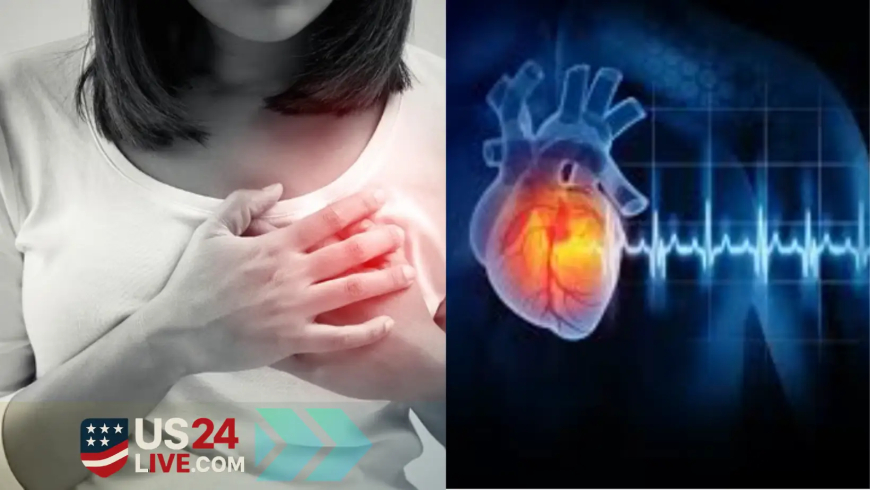
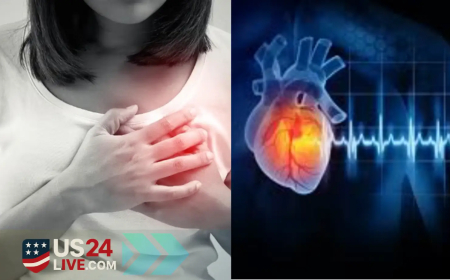
When it comes to heart health, early detection can mean the difference between life and death. One of the most dangerous misconceptions people have is mistaking a heart attack for simple gastric discomfort. Ignoring the warning signs could result in devastating consequences. Here's how to recognize the symptoms of a heart attack and when to seek immediate medical help.
☑️ Chest Pain Should Never Be Ignored
One of the most common—and most overlooked—symptoms of a heart attack is chest pain. Studies reveal that about 40% of heart attack patients reported prolonged chest discomfort, while 68% experienced mild chest pain in the days leading up to the attack. Whether the pain feels like pressure, tightness, or burning, assuming it's just gas or indigestion can be a costly mistake. If you feel any unusual chest discomfort, consult a doctor right away.
☑️ Pain During Activity or Even at Rest
Chest pain caused by blocked arteries often shows up during physical activities like walking or exercising. But in some cases, the pain can strike even when you're resting. Any severe or persistent chest pain should be evaluated by a medical professional immediately.
☑️ Palpitations Are a Red Flag
A racing or irregular heartbeat—commonly described as palpitations—may signal a problem with blood flow to the heart. When blood vessels are narrowed, the heart struggles to pump efficiently, forcing it to beat faster than normal. If you feel your heart is "racing" without cause, it's time to take it seriously.
☑️ Shortness of Breath Could Be a Warning
If you're feeling unusually breathless while doing tasks that never used to be a problem, it might not be just fatigue—it could be your heart. Reduced blood flow caused by narrowed arteries makes the body work harder, often leading to labored breathing even during simple activities.
☑️ Cold Sweats with No Explanation
Breaking out into a cold sweat or feeling clammy without physical exertion or heat can be a subtle but serious sign of a heart attack. This happens when the heart’s blood supply is suddenly cut off, triggering a stress response in the body.
☑️ Extreme Fatigue May Be the First Sign
Many heart attack survivors report feeling tired or worn out well before any other symptom appeared. If you're constantly exhausted even after rest, it may be time to evaluate your heart health.
⏱️ Early Action Saves Lives
A heart attack is a medical emergency where every minute counts. The sooner treatment begins, the greater the chances of survival and recovery. Don’t delay or dismiss symptoms—especially if they’re persistent or unusual for your body.
Final Thought
Understanding the difference between common gastric discomfort and heart attack symptoms can save lives. Always err on the side of caution. If something doesn’t feel right, seek medical help immediately. Your heart may be trying to send you a warning—don’t ignore it.
What's Your Reaction?
 Like
0
Like
0
 Dislike
0
Dislike
0
 Love
0
Love
0
 Funny
0
Funny
0
 Angry
0
Angry
0
 Sad
0
Sad
0
 Wow
0
Wow
0